
Everything You Need to Know About Stainless Steel Flanges
A pipeline system is formed by joining pipes, valves, pumps, and other equipment using stainless steel flanges, which are widely used in many industries. A strong and leak-proof connection is guaranteed, and they offer simple access for cleaning, inspection, and adjustments.
These flanges are available in numerous sizes, shapes, and specifications to meet the different demands of industries. This blog covers everything you need about Stainless Steel Flanges, including their types, uses, advantages, and maintenance.
What are Stainless Steel Flanges?
Stainless steel flanges act as ring-shaped fittings that connect pipes, pumps, and valves. They assist in the simple setup and breakdown of piping systems and offer structural support. Several grades of stainless steel make these flanges strong, long-lasting, and resistant to corrosion and rust.
Numerous Indian flange manufacturers create premium flanges for a range of industrial uses.
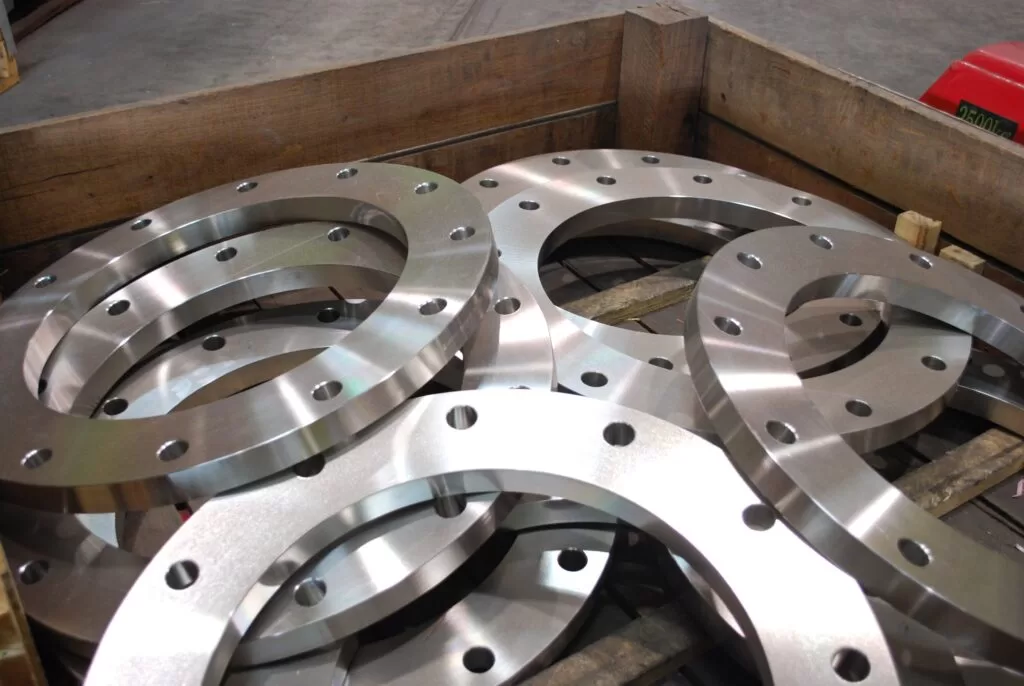
Types of Stainless Steel Flanges
Weld Neck Flanges: These flanges, which are welded to the pipe and have a long, narrow hub, offer great strength and less stress.
Slip-On Flanges: These flanges greatly benefit low-pressure applications because they install easily, slip over the pipe, and weld securely in place.
Blind Flanges: These strong flanges aid in system maintenance and are used to seal off piping systems.
Socket Weld Flanges: These flanges, designed for high-pressure, small-diameter pipes, allow the pipe to fit into the socket for welding.
Threaded Flanges: Internal threads on these flanges allow for a screw-on connection without welding.
Lap Joint Flanges: These flanges align easily with stub ends and suit systems that require frequent disassembly.
Applications of Stainless Steel Forged Flanges
Oil and Gas Industry: Utilized in gas, oil, and other fluid transportation pipes.
Petrochemical Plants: Important in chemical processing facilities for managing corrosive substances.
Power Generation: Utilized in nuclear power plants, thermal power plants, and hydropower plants.
Water Treatment: Water delivery systems and wastewater treatment facilities often use it.
Food and Beverage Industry: Guarantees hygienic connections in manufacturing beverages and food.
Benefits of Stainless Steel Forged Flanges
Corrosion Resistant: These flanges resist chemical corrosion, oxidation, and rust.
Durability: Even under harsh circumstances, they provide enduring performance.
High Strength: Able to endure high heat and pressures.
Easy Installation and Maintenance: Easy to install and disassemble, facilitating inspections and repairs.
Versatility: Numerous sizes and types make them appropriate for various industrial applications.
Maintenance Tips for Stainless Steel Weld Neck Flanges
Regular inspection: Look for indications of corrosion, wear, and leaks.
Proper Cleaning: To avoid damaging surfaces, use gentle detergents and avoid harsh chemicals.
Lubrication: To stop metal rubbing damage, apply anti-seize chemicals to seals and bolts.
Correct installation: Ensure the alignment and tightness are correct to prevent leaks and stress.
Final Consideration
These Flanges are essential for industrial plumbing systems because they are strong, durable, and corrosion-resistant. Understanding their types, applications, and maintenance ensures efficient and long-term performance. Many flange manufacturers in India provide dependable goods for various sectors.
We at DUPLEX STEEL AND ENGINEERING COMPANY also provide super duplex welded pipe and duplex steel sheets to meet various industrial requirements. These flanges are still dependable for strong and safe connections in power plants, oil and gas, and food processing industries.
FAQs
1. What are Stainless Steel Weld Neck Flanges?
Ans. Stainless Steel Weld Neck Flanges connect pipes, valves, and equipment, providing a secure, leakproof, and long-lasting junction.
2. What grade is stainless steel flange material?
Ans. Common grades include 304, 316, and 321 stainless steel, which provide corrosion resistance, power, and reliability in various industrial uses.
3. What is the ASTM standard for stainless steel forged flanges?
Ans. ASTM A182 and ASTM A240 are the principal standards that govern stainless steel forged flanges in high-temperature and corrosion-resistant applications.
4. What are the three types of stainless steel?
Ans. Austenitic (304, 316), ferritic (430, 409), and martensitic (410, 420) stainless steels all have their own set of qualities and applications.
Connect with us on LinkedIn for industry news and updates!