Understanding Duplex Stainless Steels
Grades, Properties, and Selection Guidelines
Duplex stainless steels are a unique class of materials that combine the beneficial properties of austenitic and ferritic stainless steels. This dual-phase microstructure imparts exceptional strength and corrosion resistance, making them suitable for various industrial applications.
Overview
Duplex Stainless Steels
Term “duplex” refers to the approximately equal mixture of austenite and ferrite phases in the steel’s microstructure. This composition offers several advantages:
Enhanced Strength: Duplex stainless steels typically have higher yield strength compared to austenitic stainless steels, allowing for the use of thinner sections in design.
Improved Corrosion Resistance: The balanced microstructure provides excellent resistance to stress corrosion cracking and pitting, especially in chloride-rich environments.
Cost-Effectiveness: With lower nickel and molybdenum content than austenitic grades, duplex stainless steels can be more economical, especially when alloy prices are volatile.
Grades of Duplex Stainless Steels
Duplex stainless steels are categorized based on their pitting resistance equivalent number (PREN), which indicates their resistance to pitting corrosion:-
Super Duplex (PREN 38-45): With higher alloying elements, super duplex steels provide superior corrosion resistance and strength, suitable for harsh environments such as deepwater offshore oil production.
Standard Duplex (PREN 28-38): Offering a balance between cost and performance, standard duplex grades like 2205 (UNS S32205) are widely used across various industries.
Lean Duplex (PREN 22-27): Designed with reduced nickel and molybdenum content, these steels maintain good corrosion resistance and are cost-effective for less demanding applications.
Selection Guidelines for Duplex Stainless Steels
When choosing a duplex stainless steel grade, consider the following factors:
Fabrication Considerations: Some duplex steels may require specific welding and forming techniques; ensure compatibility with manufacturing capabilities.
Mechanical Property Needs: Evaluate the required strength and toughness for the application to select an appropriate grade.
Cost Constraints: Balance performance requirements with budget limitations, considering both material and fabrication costs.
Corrosion Resistance Requirements: Assess the environmental conditions, including exposure to chlorides and temperature, to determine the necessary PREN value.
Applications of Duplex Stainless Steels
Due to their favorable properties, duplex stainless steels are utilized in various sectors:
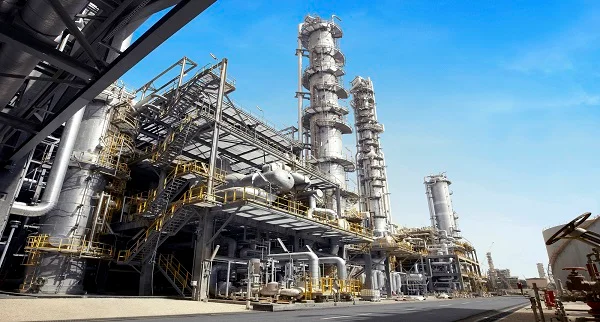
Oil and Gas Industry: Used in equipment like flowlines, manifolds, and risers due to their resistance to corrosive environments.
Chemical Processing: Ideal for pressure vessels, heat exchangers, and agitators handling aggressive chemicals.
Construction and Infrastructure: Employed in bridges and structural components requiring high strength and durability.
Conclusion
Duplex stainless steels offer a compelling combination of strength, corrosion resistance, and cost-effectiveness. Understanding the different grades and their properties is crucial for selecting the appropriate material for your specific application needs.
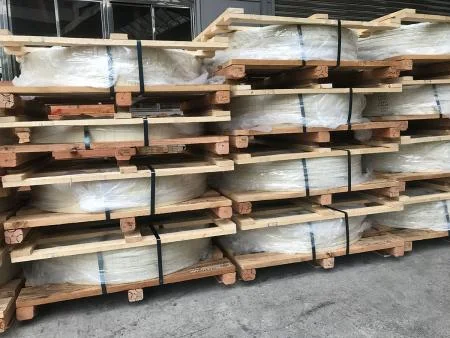
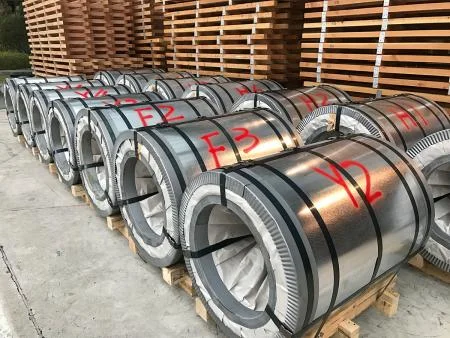
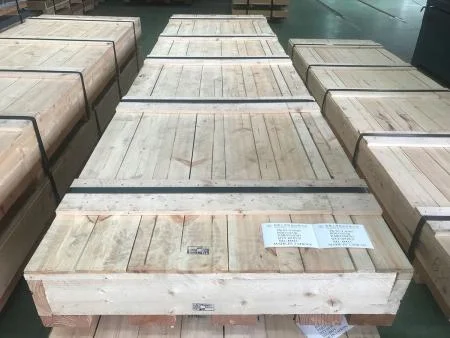
We DUPLEX STEEL & ENGINEERING COMPANY Ensure the best quality of Packing, because its play important role especially in a case of international shipments in which consignment pass through various channels to reach the ultimate destination, so we put extraordinary concern regarding packaging.
We pack our goods in numerous ways based on the products. We pack our products in multiple ways, such as:–
- Boxes and Crates
- Shrink-wrapped
- Carton boxes
- Wooden pallets
- Wooden boxes
- Wooden crates